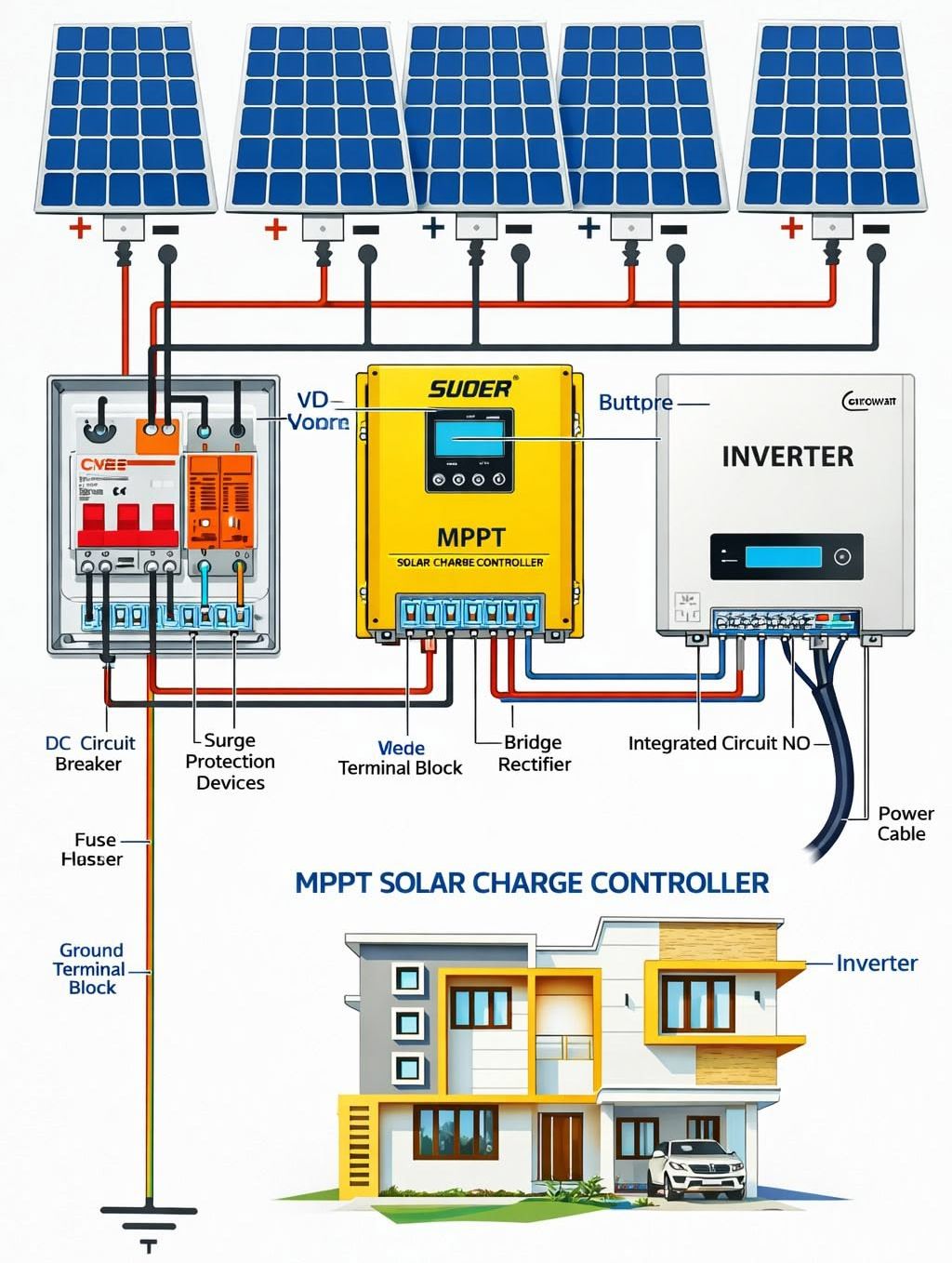
Indian consumers have installed rooftop solar panels on around 25 lakh homes through the PM Surya Ghar Muft Bijli Yojana, and it is heading toward a crore. That is a commendable achievement! However, there is a gap between what most new owners think they bought and what actually shows up on the bill, and almost nobody explains it before the solar installer packs up and leaves.
Here is the uncomfortable truth: setting up the panel and generating solar power is an easy task now. The trick is in using the power properly, and that is where your money is either earned or quietly lost.
Peak power demand mismatch

A solar rooftop array does its best work at noon. That is exactly when most homes are empty or idle. Maybe the fridge is humming, or a fan is on, and that is about it. The real load comes later in the evening, when everyone is at home; the ACs are running, dinner is cooking, and the geyser is on. But your panels are producing nothing after 6pm.
So the default pattern for a new solar home looks like this: export cheap sunshine to the power grid during midday, then buy expensive power back in the evening. Under a simple net-metering arrangement, where one exported unit cancels one imported unit, that swap is roughly a wash. It feels fine. The problem is that the “roughly a wash” era is ending.
Smart meter is not smart enough

India is moving to Time of Day (ToD) tariffs. This ToD tariff is already mandatory for commercial and industrial consumers with 10 kW+ power. Domestic consumers are next, and several state regulators have already begun the rollout now. The structure is consistent: solar hours in the middle of the day are priced at least 20% below the normal rate, and evening peak hours cost more.
Think what this does to the old export-and-buy-back pattern. When your DISCOM prices midday power low and evening power high, exporting a unit at noon earns you a low power rate, while importing a unit at 8pm costs you the expensive one. You lose steadily on every single swap, every day. The meter that used to protect you till now will start to working against you! So the answer to this trouble is not “add more panels”. It is self-consumption: simultaneously use as much solar power as you generate, or store it in batteries until you need it.
Three levers to optimize your solar rooftop
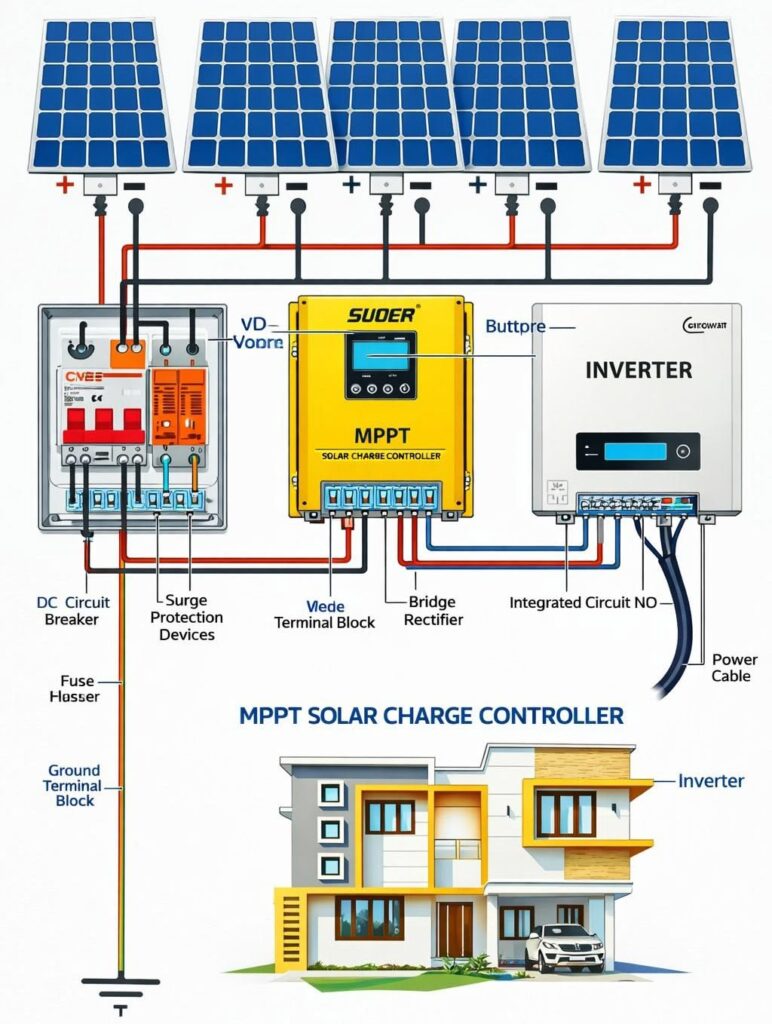
- Shift what you can, for free: Before spending a rupee more, move flexible power loads into the sunny hours. Run your washing machine, dishwashers, water heater, and the borewell pump during the day instead of at night. If you have an EV, charge it in the afternoon. This costs nothing and it is the first thing every solar owner should do. This flexible consumption has its limit though; nobody wants to cook dinner at 1 pm, so the biggest evening loads simply cannot be moved.
- Add battery storage for the loads you can’t shift: A home battery soaks up the midday power surplus that would otherwise be exported cheaply and releases it in the evening when grid power is costly. Now you are supplying your own expensive hours from your own cheap sunshine. This is why India’s draft rules are beginning to mandate storage for larger solar prosumers. A battery is the essential element that lets a solar home cover the night.
- Give the battery a brain: This is the part I spend my working life on, so I will be direct about it. A battery left on its factory settings is not smart. It charges and discharges on default settings that are not customized to your house, your city’s weather, and the tariff clock. Don’t drain the battery during cheaper power hours when you’ll want it for the peak. Don’t export this afternoon’s surplus if tomorrow’s forecast is cloudy when you’ll need the reserve; pre-charge ahead of a known peak window. Decisions minute by minute, those calls are worth real money over a year. Left to a default schedule, that money leaks away and you never see it on the bill.
- I have built Grid Getter software that does exactly this kind of monitoring and power management for battery owners in the US, where time-of-use and demand-based billing are already the norm. The power tariffs there are not like India’s tariffs, but the underlying job is identical to the one Indian homes will face as ToD spreads: read the price, read the forecast, and move stored energy to the moment it is worth the most. The country changes; the physics and the arithmetic don’t.
What to actually do, starting now
If you’re installing a rooftop under the PM Surya Ghar scheme, insist on net metering rather than gross metering, because gross metering pays you a fixed feed-in rate for everything you generate at retail, which removes most of the self-consumption benefit. Ensure your battery capacity can handle your evening load, and not on the size of your array. Ask your installer a question most owners never ask: does this inverter or battery expose an open API or a schedule you can control? And today, before any of that, start shifting your flexible loads into daylight. It is the one upgrade that is already paid for.
“The subsidy paid for your power generation, but your savings will come from control!”
Author byline: Josh is the founder of Grid Getter, software that puts home solar batteries on autopilot to cut electricity bills. He writes about home energy, storage, and how tariff design changes what a solar roof is worth.